Stucco on Block Walls Terms Explained: A Plain-English Glossary
If you're a Scottsdale homeowner getting quotes for stucco repair or installation on a block home, the paperwork can read like a foreign language. This stucco on block walls glossary breaks down the words contractors actually use, in plain English, so you can read a quote line by line and know what you're paying for. Each entry starts with a one-sentence definition you can absorb in seconds, then explains why the term matters to your wall and your wallet. Nothing here requires a construction background.
- CMU (Concrete Masonry Unit): the gray block itself
- Scratch Coat: the first rough layer
- Brown Coat: the flat middle layer
- Finish Coat: the visible top layer
- Bonding Agent: glue that helps stucco stick
- Fog Coat: a thin cement-based color spray
- Stucco Mesh (Lath): reinforcement embedded in the stucco
- Weep Screed: the drainage strip at the wall's base
- Control Joint: a planned line that manages cracking
- Hairline Crack: a thin surface crack
- Efflorescence: white powdery salt deposits
- Spalling: stucco flaking or popping off
- Delamination: stucco separating from the block
- Patching: repairing a small damaged area
- Resurfacing: applying a new layer over the whole wall
- Texture Matching: making a repair blend with the old finish
- Color Matching: matching the repair's color to the existing wall
- Cure Time: how long stucco needs to harden
The Wall and Its Layers
Stucco on a block wall is built up in layers, and most quotes name at least one of them. Knowing which layer a contractor is talking about tells you how deep the damage goes.
CMU and the Block Foundation
A CMU, or concrete masonry unit, is the standard gray concrete block your wall is built from. When a contractor says "block" or "block wall," this is what they mean. It matters because stucco bonds to block differently than it bonds to a wood-framed wall, so the prep work and materials change. If a quote mentions damaged CMU, the repair goes deeper than the stucco itself, which usually means more work and a higher price.
Scratch Coat
A scratch coat is the first layer of stucco applied to the wall, scored with horizontal grooves so the next layer can grip it. Those scratches are not damage; they are on purpose. On block walls, some installers skip a separate scratch coat because block is already rough enough to grab the stucco. If your quote lists a scratch coat, the contractor is building a full multi-layer system, which points to a thorough job rather than a thin skim.
Brown Coat
A brown coat is the middle layer of stucco that levels the wall and gives it most of its thickness and strength. Despite the name, it is not brown; it is the same gray cement color as the other base layers. This is the layer that makes a wall flat and straight. If a repair estimate includes redoing the brown coat, the damage went past the surface, and the patch will take longer because each layer needs time to harden before the next goes on.
Finish Coat
A finish coat is the final, visible layer of stucco that carries the color and texture you see from the street. It is thin compared to the layers under it. Most cosmetic problems, like faded color or a texture that no longer matches after an old repair, live in this layer. A quote for a new finish coat only is usually a smaller job than one that rebuilds the base layers.
Bonding Agent
A bonding agent is a liquid applied to an old or slick surface so new stucco will stick to it. Think of it as primer for cement. On block walls, contractors use it when patching over painted stucco or smooth concrete, where fresh material would otherwise peel away. If your wall has been painted, expect this line on the quote; skipping it is how patches fail early.
Fog Coat
A fog coat is a thin, cement-based color spray applied over stucco to refresh or even out its color without paint. It soaks into the surface instead of forming a film, so it will not peel the way paint can. Homeowners often meet this term when a repair leaves a visible color difference and the contractor suggests fog coating the whole wall to blend it. It only works on unpainted stucco, which is worth confirming before anyone quotes it.
Parts You'll See on a Quote
These are the components and details that show up as line items. This part of the stucco on block walls glossary covers the hardware and built-in features that decide how well the wall handles water and movement.
Stucco Mesh (Lath)
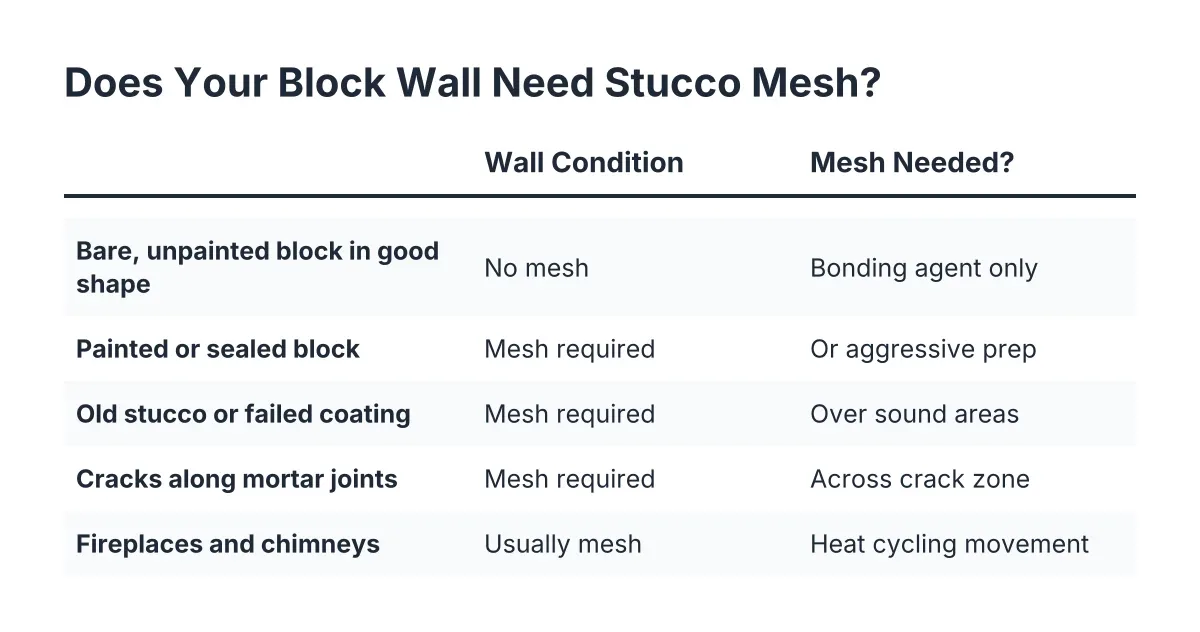
Stucco mesh, also called lath, is a wire or fiber reinforcement embedded in the stucco to hold it together and reduce cracking. On block walls it is not always required the way it is over wood framing, but many contractors add it over problem areas or old repairs. The type of mesh affects both durability and cost. If you want the details on which kind belongs on a block wall, this guide to stucco mesh on block walls walks through the options.
Weep Screed
A weep screed is a metal strip at the bottom of a stucco wall that lets trapped moisture drain out. Without it, water that gets behind the stucco sits at the base of the wall and causes damage from the inside. If the bottom edge of your wall shows staining, crumbling, or bubbling, a contractor will check this piece first. A missing or buried weep screed is a common cause of repeat water damage on older Scottsdale homes.
Control Joint
A control joint is a planned groove or metal strip built into a stucco wall to give cracking a place to happen on purpose. Stucco expands and shrinks with temperature swings, and Scottsdale's heat makes that movement real. Joints direct that stress into straight, tidy lines instead of random cracks across the wall. Long walls without control joints tend to crack more, so a contractor pointing at missing joints is explaining the cause, not upselling you.
Damage Words: What's Wrong With Your Wall
When a contractor inspects exterior wall damage, these are the words that come back. Each one points to a different cause and a different fix.
Hairline Crack
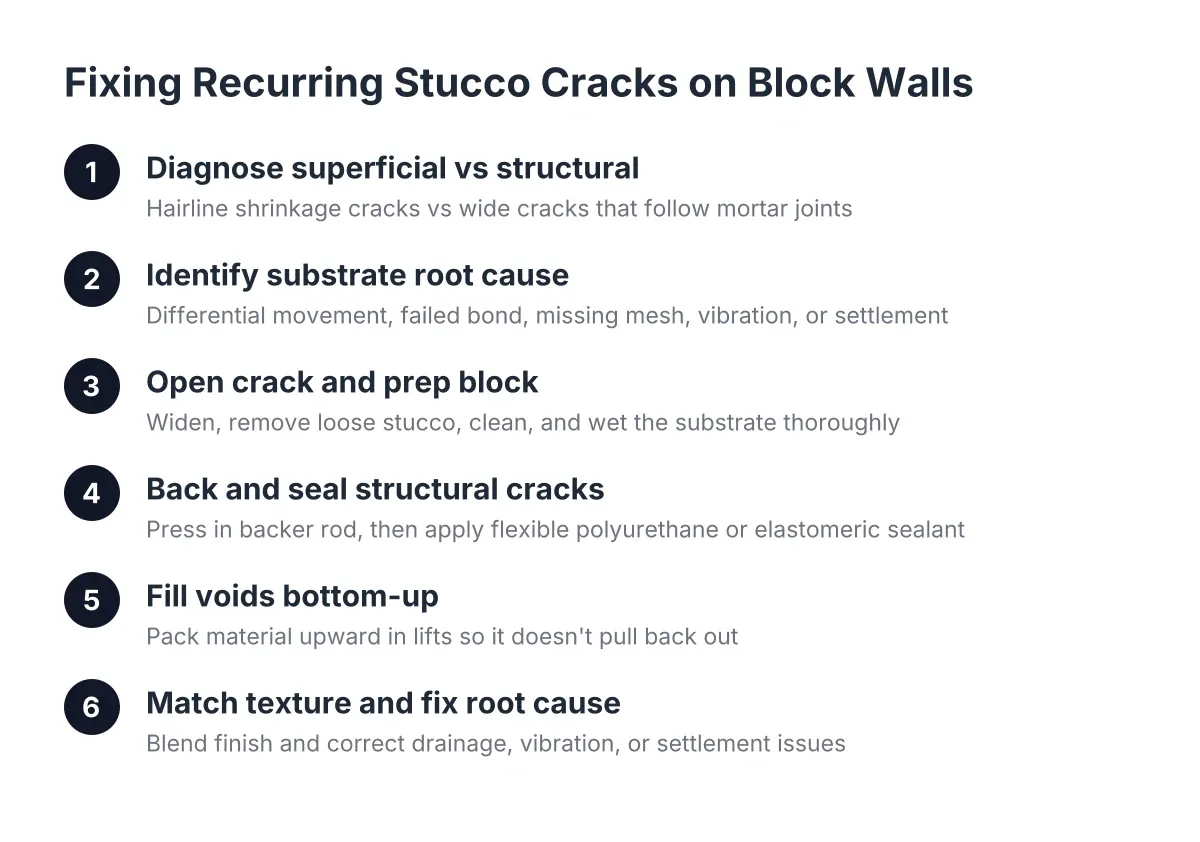
A hairline crack is a thin surface crack in stucco, about the width of a credit card edge or less. Most are cosmetic, caused by normal shrinkage as the stucco cured, and stucco crack repair for them is straightforward. Wider cracks, cracks that follow a stair-step pattern along the block joints, or cracks that keep growing point to movement in the wall itself. Tell the contractor if a crack has widened over time; that detail changes the diagnosis.
Efflorescence
Efflorescence is a white, powdery deposit on stucco left behind when water moves through the wall and evaporates, carrying salts to the surface. The powder itself is harmless and brushes off. The water that caused it is the real problem. If a contractor points out efflorescence, they are telling you moisture is getting into the wall somewhere, and fixing the source matters more than cleaning the stain.
Spalling on Stucco and Block Walls
Spalling means stucco or block flaking, chipping, or popping off in chunks, usually because water got in and expanded or the material broke down. It looks worse than a crack because it is worse than a crack; material is actively coming off the wall. Spalling often traces back to water trapped behind the surface, so a good repair starts with finding the moisture path, not just filling the hole.
Delamination
Delamination means the stucco has separated from the block behind it while still hanging in place. A delaminated section sounds hollow when you tap it. It is a hidden problem; the wall can look fine and still be loose underneath. Contractors find it by tapping across the surface, and any hollow-sounding areas usually need to come off and be repatched, which is why a quote can grow after inspection.
Repair and Job Terms
Patching
Patching is repairing a limited damaged area of stucco rather than redoing the whole wall. It is the right call for holes in a wall, isolated cracks, and small water-damaged spots. The skill in stucco patching is not filling the hole; it is making the patch disappear into the surrounding surface. Ask any contractor how they plan to blend the edges, because that answer separates a clean repair from an obvious one.
Resurfacing
Resurfacing means applying a new layer of stucco over the entire existing wall to renew its look and seal minor flaws. It sits between patching and full stucco replacement in scope and cost. Resurfacing makes sense when the base layers are sound but the surface is tired, stained, or covered in old mismatched repairs. If the underlying stucco is loose or water damaged, resurfacing over it just hides a problem that will come back.
Texture Matching
Texture matching means finishing a stucco repair so its surface pattern blends with the wall around it. Stucco textures have names like smooth, sand, lace, and dash, and a patch in the wrong texture stands out from the curb even when the color is right. This is hand work, and it is where experience shows. A contractor who talks about matching your existing texture before you ask is thinking about how the repair will look in five years, not five days.
Color Matching
Color matching means tinting or finishing a repair so its color blends with the existing wall. Sun-faded stucco is hard to match exactly, which is why contractors sometimes recommend a fog coat or paint over the full wall instead of chasing a perfect patch color. On an unpainted wall, ask how the color will be matched and whether the patch will look different once cured. Fresh stucco dries lighter than it looks when wet, so judge the match after curing, not the day it goes on.
Cure Time
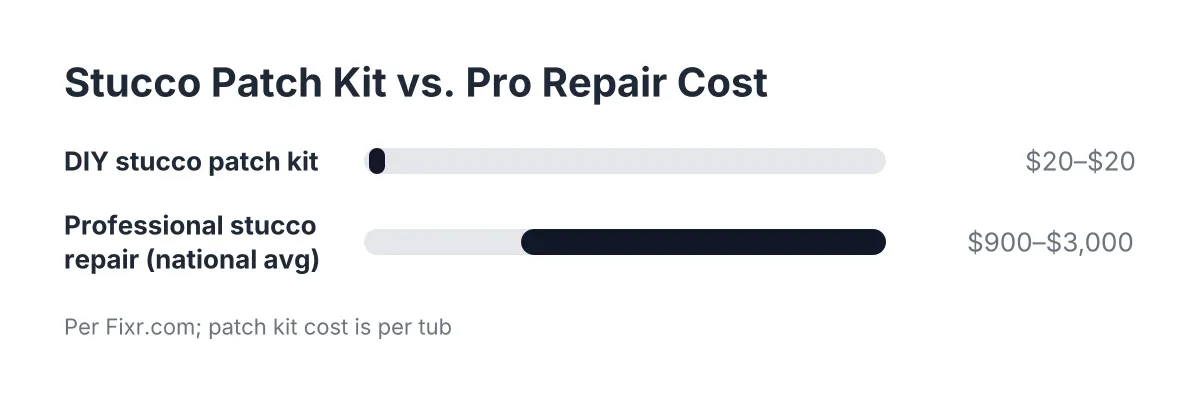
Cure time is the period fresh stucco needs to harden and reach full strength before the next coat, paint, or color goes on. Each layer has its own cure time, which is why a proper multi-coat job takes days, not hours. A contractor who wants to rush every coat in one visit is trading durability for speed. Cure time is also one reason job length affects price; if you're budgeting, this breakdown of what stucco on block walls costs explains where the money goes.
Using These Terms
What this stucco on block walls glossary gives you is the ability to read a repair quote line by line and know whether it covers a surface fix or a deeper one. When a contractor mentions delamination, weep screeds, or cure time, you can now follow the reasoning instead of nodding along. Ask which layers the repair touches and how the texture and color will be matched, and you will get straighter answers from anyone you call.
If you need stucco repair, Scottsdale Stucco Repair can help.
Related guide: Stucco On Block Walls — Complete Guide
Prefer to talk it through? Call (480) 637-3464 — a quick call is usually the fastest way to get a straight answer for your situation.